




Players don’t just churn because of gameplay, they churn when support fails them. A missing purchase, a locked account, or a slow response is often all it takes for even loyal players to walk away.
And yet, support is still sidelined. Studios pour millions into content updates and acquisition campaigns, while players rage-quit over issues that could have been resolved in minutes. The fallout is brutal: angry Reddit threads, 1-star reviews, and the silent departure of VIP players you can’t afford to lose.
That’s why support is the most underrated tool in player retention. In this article, we’ll break down why support is overlooked, how great support drives loyalty, real-world case studies from leading studios, and the best practices you can use to turn support into a retention engine.
The High Stakes of Player Retention in Gaming
Player retention sounds straightforward, and in theory it is. Keep players engaged, and revenue follows. But in reality, retention is fragile and the smallest friction can send players packing. Here’s why the stakes are higher than ever for studios competing to keep their audiences loyal:
Retention drives revenue more than acquisition
Acquiring new players is expensive. Marketing budgets continue to rise, and CPIs (cost per install) often eat into margins. But when you keep existing players engaged, you’re not just protecting revenue—you’re growing it. Loyal players spend more, participate in seasonal events, and invite friends to join. Retention directly fuels lifetime value (LTV), which ultimately matters more than any one-off acquisition spike.
The cost of losing players vs. keeping them engaged
Every player who churns represents wasted acquisition spend and lost potential for in-app purchases or ad revenue. On the other hand, even small improvements in retention can yield outsized gains. In gaming, manual ticket resolutions take 84 hours on average; with full automation they drop to 9 hours. In such a competitive market, the math is simple: it’s cheaper to keep a player than to replace one.
Player’s expectations beyond gameplay
Of course, content and gameplay quality are the baseline. But today’s players expect more: quick help when something breaks, empathy when frustration builds, and support that fits seamlessly into the game environment. If their account gets locked or a purchase fails, they don’t want to leave the app, hunt for email addresses, or wait days for a reply. They want fast, in-game answers that show the studio values their time.
Why Player Support Is Often Overlooked
Player support is critical, yet it rarely gets the spotlight. Here’s why studios keep overlooking it:
Studios invest in content, not customer experience
LiveOps teams and product managers are rightly focused on events, updates, and content pipelines. But when budgets are allocated, customer experience often takes a back seat. That means the very function that prevents churn during moments of friction is underfunded, leaving gaps that players notice immediately.
Legacy perception of support as “cost center”
Historically, support was viewed as a drain on resources, something to contain, not a function to grow. This mindset has led many studios to underinvest in automation and in-game support tools. The result? Overworked agents, frustrated players, and missed opportunities to drive retention.
The disconnect between product teams and support teams
In many studios, support and product work in silos. Product teams design features, while support teams deal with the fallout when things don’t work. But this disconnect wastes valuable insight. Support data is a goldmine of player feedback that can shape design decisions, reduce friction, and boost retention. Without integration, those insights often go unheard.
How Great Support Directly Impacts Retention
Retention is built in the everyday moments when players need help. Fast, empathetic, and accessible support can be the difference between frustration and loyalty. Let’s explore how strong support systems drive measurable retention gains:
Fast, in-game help prevents player frustration and churn
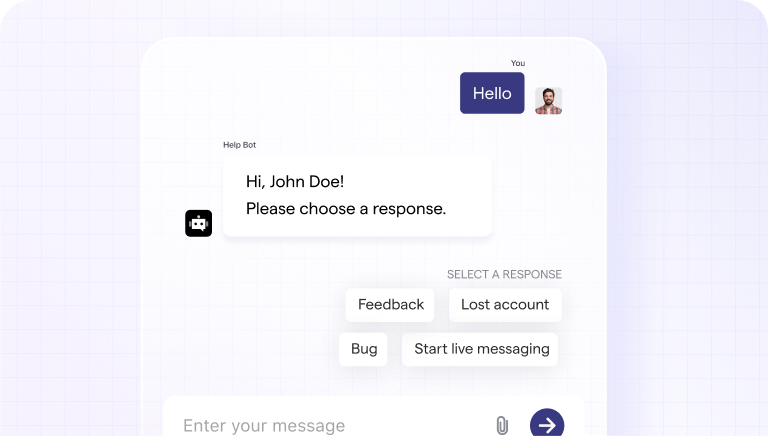
When players can get help without leaving the game, you reduce the chance they’ll drop off entirely. In-app messaging creates a smooth experience, ensuring that issues like purchase problems or technical glitches are resolved before they push a player away.
AI automation reduces wait times for common issues
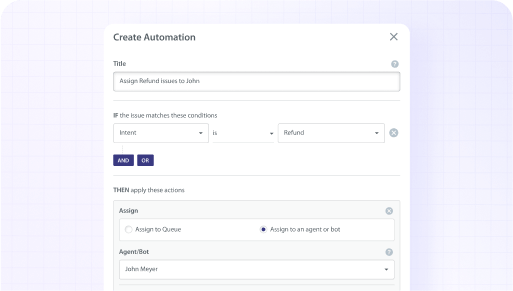
Most tickets involve repetitive problems like password resets or missing rewards. AI and automation can handle these instantly, around the clock. This frees agents to focus on high-value cases while ensuring that players never wait long for basic answers.
Multilingual support keeps global players engaged
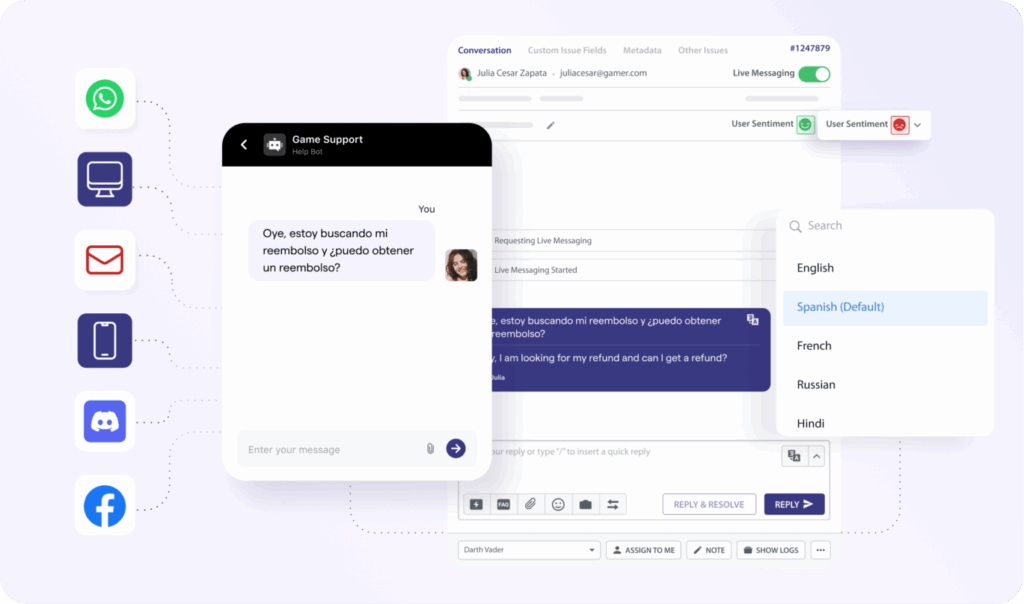
Gaming is global. If you can’t support players in their preferred language, you risk alienating large parts of your audience. Helpshift’s Agent Workspace includes Language AI, which helps studios like Rovio and Trailmix maintain consistent CSAT scores across 17+ languages, making every player feel valued.
Feedback loops from support drive better game updates
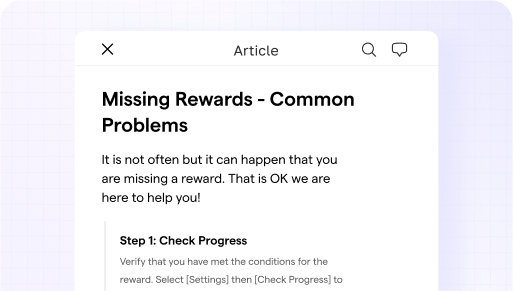
Support interactions are a direct line to player sentiment. Helpshift’s Help Center makes it easy to collect and analyze feedback, so LiveOps and product teams can fix issues quickly and prioritize updates that matter most. Support isn’t just reactive, it actively informs better game design and community trust.
Case Studies: Support as a Retention Driver
Jam City: boosting CSAT through seamless in-app support
Jam City, creators of Cookie Jam and Harry Potter: Hogwarts Mystery, faced up to 90,000 tickets a month. Their email-heavy system couldn’t keep up. After moving to Helpshift, they achieved a 90% ticket deflection rate, cut ticket volume by 30%, and doubled CSAT. What was once a cost center became a business driver, directly improving retention.
SYBO: Subway Surfers improves productivity and satisfaction
With 150M monthly players, SYBO needed in-game support that matched their scale. Zendesk bots delivered less than 50% accuracy, leaving players frustrated. After adopting Helpshift, SYBO reached 77% automation in 3 months, a 95% deflection rate, and lifted CSAT from 3.8 to 4.3. Time to First Response fell by 86%, boosting both player retention and agent productivity.
Bytro Labs: managing 17K tickets with 2.5 agents
Bytro Labs runs strategy games with 15M players worldwide, generating 17,000 monthly tickets. With Helpshift, a lean team of just 2.5 agents achieved a 99% automation rate, 4-minute Time to First Response, and $850K in annual savings. Smart Intents even detected that 40% of tickets involved toxicity or cheating, allowing moderators to act fast and protect player well-being
Best Practices for Making Support a Retention Tool
- Prioritize first response time (FRT) as a retention metric: Players don’t care about internal KPIs, they care about how quickly you respond. Prioritizing FRT shows respect for their time and can be the difference between loyalty and churn.
- Use AI to deflect tickets and free agents for VIPs: AI chatbots and automated workflows can resolve repetitive tickets instantly. This frees up human agents to focus on high-value players who expect personalized service.
- Integrate support into the LiveOps strategy: Support insights should be included in every LiveOps discussion. When product, operations, and support collaborate, updates directly address the issues frustrating players.
- Continuously collect and act on player feedback: In-game surveys and post-support tools help capture sentiment in real time. Acting on this feedback closes the loop and shows players their input truly shapes the game.
Final Thoughts: Rethink Support as a Growth Lever
Great games keep players coming back, but great support keeps them loyal. The data is clear, studios that invest in seamless, AI-powered, in-game support see higher CSAT, faster resolutions, and stronger retention. Every interaction is an opportunity to show players you value their time and their experience.
With Helpshift, you don’t just resolve tickets, you build trust, protect revenue, and turn support into a true retention engine. Request a demo today and discover why the smartest studios are putting support at the heart of retention.