Every gaming studio obsesses over acquisition. Download numbers. Install rates. Day-one active users. But the real money isn’t in getting players through the door. It’s
read
Picture this: a player hits a purchase bug on console, switches to mobile to keep playing, and ends up filing multiple tickets across channels because
read
When a loyal player encounters a login failure, payment glitch, or vanished progress during a limited-time event, they don’t wait patiently. They restart the app,
Player support in gaming is no longer a back-office function you deal with after the fact. A design glitch at 8 PM when your live
read
Players don’t wait to run into problems during business hours. They run into them when a clan event is live, when they finally unlock a
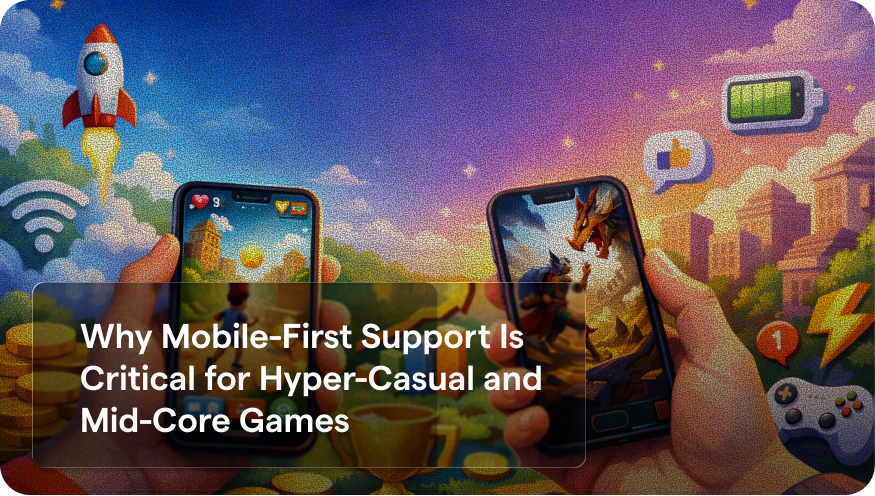
Mobile games are designed to feel immediate. A player taps to enter a world, completes a run, upgrades a character, or checks timers in a
read
Legacy support systems were built for a different era of gaming, when updates were rare, feedback came through emails, and “player support” meant waiting days
Players don’t churn only because of weak gameplay. They churn because they feel unheard, ignored, or pushed past their breaking point. A payment glitch, an
When a streamer hits a bug mid-broadcast or an influencer waits days for account recovery, the damage spreads instantly. Frustrated communities can turn support gaps
Players don’t just churn because of gameplay, they churn when support fails them. A missing purchase, a locked account, or a slow response is often
Player support has become a core part of the gaming experience. For many studios, the difference between a 4.8-star game and a 3.9-star game isn’t
When a player hits a bug mid-match or loses progress after a purchase, frustration builds fast. A single delay in getting help can turn excitement
Every few years, a new wave of technology promises to “reinvent” customer support. But few have shaken the industry quite like Generative AI. For support

Follow us on