Most studios evaluating Theymes start with the wrong question. They line up feature lists and compare boxes. The question that actually decides the outcome is
Nearly 80% of the support issues Halfbrick identified through Helpshift led directly to game quality improvements. Not player satisfaction improvements. Game quality improvements. The support
Most platform comparisons start with a feature table. This one starts with a question worth answering first: what was each platform actually built for? Freshdesk
Every gaming studio obsesses over acquisition. Download numbers. Install rates. Day-one active users. But the real money isn’t in getting players through the door. It’s
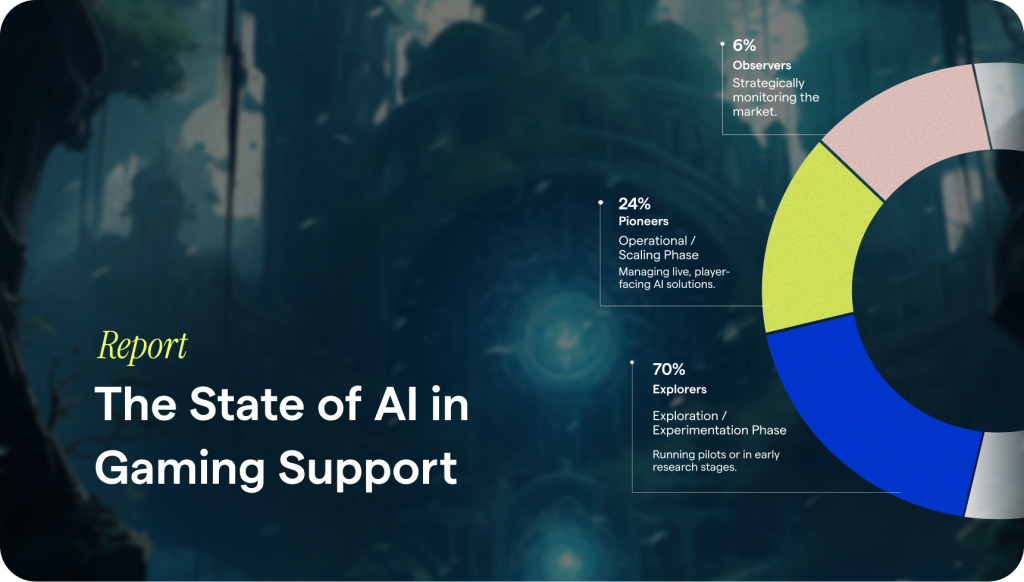
AI is rapidly eliminating routine customer service tasks, allowing teams to redirect their focus toward higher-value, strategic work. This transformation is now less about if
When a loyal player encounters a login failure, payment glitch, or vanished progress during a limited-time event, they don’t wait patiently. They restart the app,
Game updates and live events should build excitement, but they often flood support queues instead. A report shows account-related tickets nearly doubling from 13.9% to